

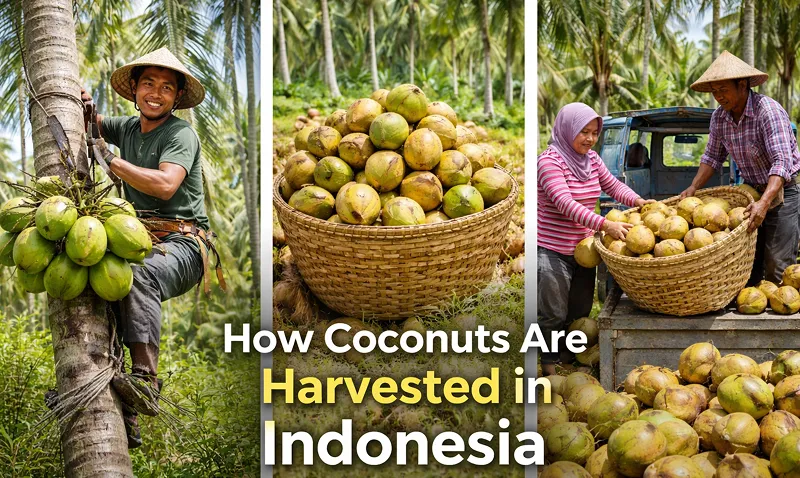
How Coconuts Are Harvested in Indonesia
Indonesia is one of the world’s largest producers of coconuts, and the harvesting process plays a crucial role in maintaining the quality of coconut products. From traditional manual techniques to more modern approaches, coconut harvesting in Indonesia reflects a blend of heritage and efficiency.
In this article, we will explore how coconuts are harvested in Indonesia, step by step.
1. Identifying Mature Coconuts
Before harvesting begins, farmers carefully select coconuts based on their maturity.
Young coconuts → used for coconut water
Mature coconuts → used for oil, copra, and industrial products
👉 Proper timing ensures optimal quality and yield.
2. Traditional Tree Climbing Method
One of the most common methods in Indonesia is manual tree climbing.
Farmers:
Climb tall coconut trees (up to 20–30 meters)
Use ropes or simple climbing tools
Cut coconuts using a machete
👉 This method requires skill, strength, and experience.
3. Using Harvesting Tools
In some areas, farmers use tools such as:
Long bamboo poles with blades
Mechanical cutters
👉 These tools help harvest coconuts without climbing, improving safety.
4. Collecting the Coconuts
Once cut, coconuts fall to the ground and are collected manually.
Gathered into baskets or piles
Sorted by size and quality
👉 Careful handling prevents damage to the fruit.
5. Transportation from Plantation
After collection, coconuts are transported using:
Motorbikes
Small trucks
Manual carts
👉 They are then delivered to processing facilities or local markets.
6. Initial Processing
Before reaching factories, coconuts may go through:
Husk removal
Cleaning
Sorting
👉 This step prepares them for further processing like oil extraction or packaging.
7. Seasonal and Regional Factors
Although coconuts can be harvested year-round in Indonesia, factors such as:
Weather conditions
Soil quality
Plantation management
👉 Can influence productivity and harvest timing.
8. Role of Local Farmers
Smallholder farmers dominate coconut production in Indonesia.
Family-run plantations
Traditional knowledge
Community-based farming
👉 They play a vital role in maintaining supply chains.
9. Challenges in Coconut Harvesting
Despite its importance, coconut harvesting faces several challenges:
Tree height and safety risks
Labor shortages
Weather unpredictability
👉 This opens opportunities for modernization and better infrastructure.
10. Transition to Modern Practices
Indonesia is gradually adopting modern harvesting techniques:
Improved tools
Mechanization
Better logistics systems
👉 Increasing efficiency and safety in the industry.
Conclusion
Coconut harvesting in Indonesia is a unique blend of tradition and innovation. From skilled farmers climbing tall trees to modern tools improving efficiency, the process ensures a steady supply of high-quality coconuts for both local and global markets.
-
 By: Admin
- April 16, 2026
Related Post
Nucoco Expands Coconut Supply to Global Market
Introduction As global demand for natural and sustainable products continues to rise, coconut ...
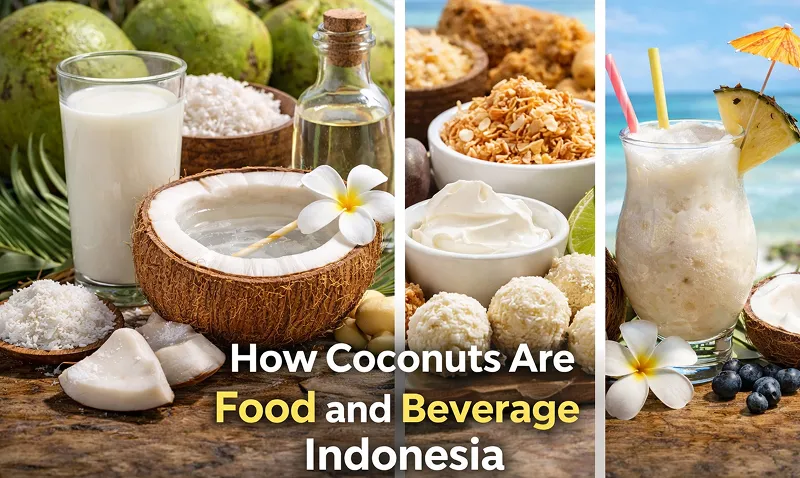
Coconut in the Food and Beverage Industry
Introduction Coconut has become a key ingredient in the global food and beverage (F&B) industr...
Reliable Global Supply

We ensure consistent coconut product supply through a strong sourcing network across Indonesia, ready for global demand.
High-Quality Standards

Every product is processed with strict quality control to meet global standards for reliable industrial and commercial use.
Flexible Business Solutions

We provide end-to-end services including OEM, bulk supply, and product customization tailored to your business needs
Competitive Pricing

Direct sourcing from origin ensures cost efficiency and best value