

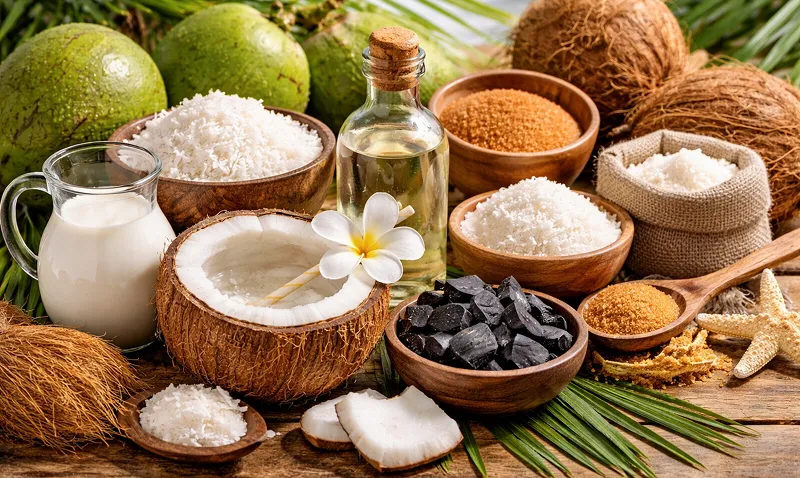
Types of Coconut Products and Their Uses Explained
Coconut is one of the most versatile natural resources in the world. From food and beverages to industrial materials, almost every part of the coconut can be processed into valuable products.
In this article, we will explore the different types of coconut products and their uses, helping you understand their potential in both daily life and industrial applications.
1. Coconut Water
Coconut water is the clear liquid found inside young coconuts.
Uses:
Natural hydration drink
Electrolyte replacement
Health and wellness beverages
👉 Commonly consumed fresh or packaged for retail markets.
2. Coconut Milk
Coconut milk is extracted from grated coconut meat and widely used in cooking.
Uses:
Cooking (curries, soups, desserts)
Beverage ingredient
Food processing industry
👉 Essential in Southeast Asian cuisine.
3. Coconut Oil
Coconut oil is one of the most popular coconut-derived products.
Uses:
Cooking oil
Cosmetic products (skin & hair care)
Pharmaceutical applications
👉 Available as virgin coconut oil (VCO) or refined oil.
4. Copra
Copra is dried coconut meat used as a raw material for oil production.
Uses:
Oil extraction
Animal feed (copra meal)
👉 Important in large-scale coconut processing industries.
5. Coconut Flour
Coconut flour is made from dried and ground coconut meat.
Uses:
Gluten-free baking
Healthy food products
Diet-based food industries
👉 Popular among health-conscious consumers.
6. Coconut Sugar
Coconut sugar is made from coconut sap.
Uses:
Natural sweetener
Alternative to refined sugar
Food and beverage industry
👉 Known for its low glycemic index.
7. Coconut Shell Charcoal
Charcoal made from coconut shells is widely used industrially.
Uses:
Fuel
Activated carbon production
Water filtration systems
👉 High demand for export markets.
8. Coconut Coir (Sabut Kelapa)
Coir is fiber extracted from coconut husk.
Uses:
Rope and mats
Planting media (hydroponics)
Upholstery materials
👉 Eco-friendly and biodegradable.
9. Coconut Husk (Batok & Sabut)
Often considered waste, but highly valuable.
Uses:
Organic fertilizer
Soil conditioning
Mulching material
👉 Commonly used in agriculture.
10. Coconut-Based Industrial Products
Beyond food, coconut is widely used in industry.
Uses:
Biofuel production
Activated carbon
Eco-friendly packaging
Construction materials
👉 Growing demand in sustainable industries.
Conclusion
Coconut is truly a zero-waste resource, where every part has economic value. From food products to industrial applications, coconut-based products continue to grow in global demand.
Understanding these products opens opportunities for business, sustainability, and industrial innovation.
-
 By: Admin
- April 16, 2026
Related Post

Nucoco Expands Coconut Supply to Global Market
Introduction As global demand for natural and sustainable products continues to rise, coconut ...
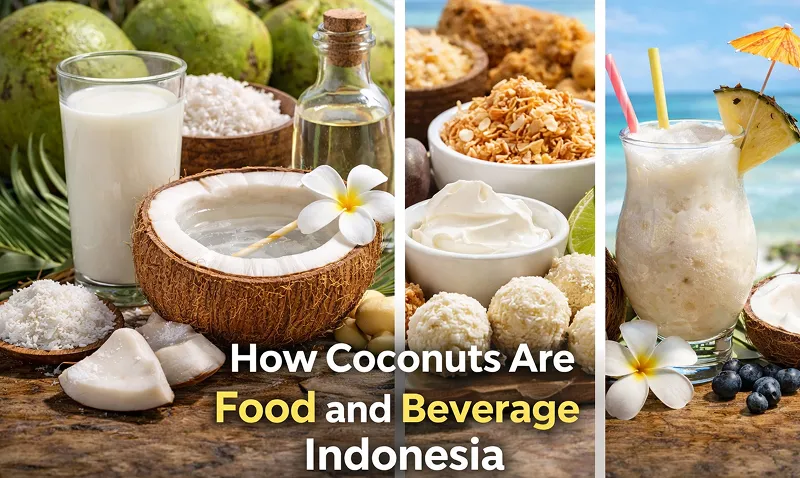
Coconut in the Food and Beverage Industry
Introduction Coconut has become a key ingredient in the global food and beverage (F&B) industr...
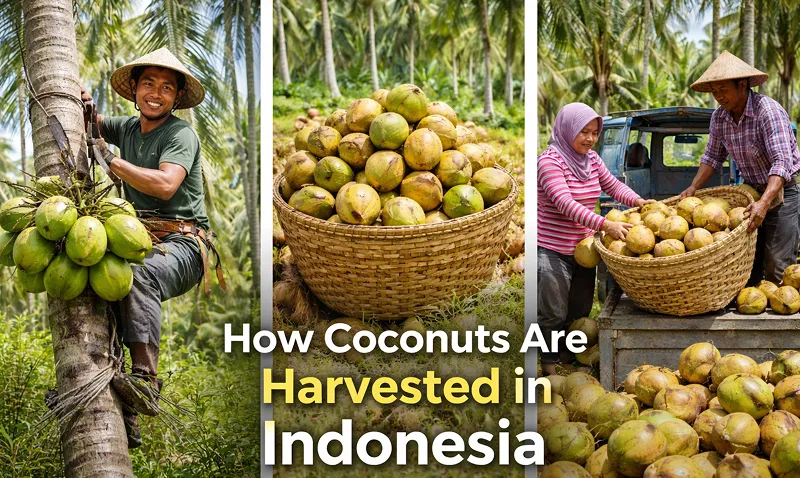
How Coconuts Are Harvested in Indonesia
Introduction Indonesia is one of the world’s largest producers of coconuts, and the harvesting...
Reliable Global Supply

We ensure consistent coconut product supply through a strong sourcing network across Indonesia, ready for global demand.
High-Quality Standards

Every product is processed with strict quality control to meet global standards for reliable industrial and commercial use.
Flexible Business Solutions

We provide end-to-end services including OEM, bulk supply, and product customization tailored to your business needs
Competitive Pricing

Direct sourcing from origin ensures cost efficiency and best value